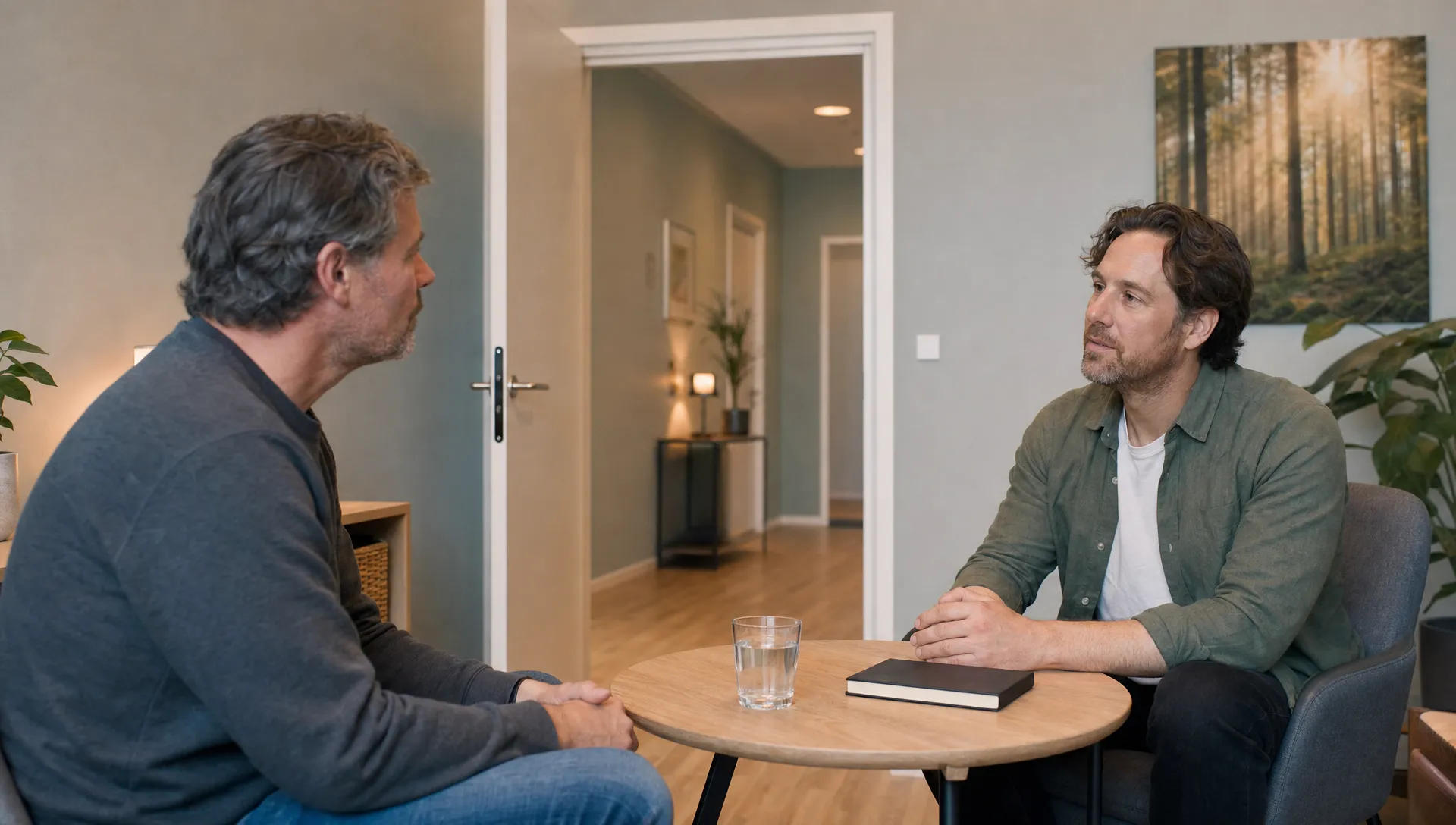
When addiction takes up more and more of one’s life, life often no longer feels peaceful. Even moments without substance use can be unsettling: thoughts keep racing, shame grows, social engagements are avoided, and the pressures of work, family, or one’s social circle remain ever-present. Many people try for a long time to resolve the issue on their own. Not because they don’t want help, but because taking the step toward treatment feels like a huge, vulnerable, and sometimes emotionally charged decision.
An addiction treatment center in Spain can offer peace of mind—not because distance automatically solves everything, but because distance can create space. Away from daily triggers. Away from the constant pressure to perform. Away from the places, habits, and expectations that perpetuate the pattern. In a safe, discreet treatment environment, a sense of clarity often returns for the first time.
That peace of mind is not a luxury. For many people, it is actually a prerequisite for being able to take an honest look at what’s going on and to work toward recovery with support.
Rest is not the same as escape
It’s important to be clear about this: treatment in Spain is not a vacation and not a way to avoid problems. A good addiction treatment center actually uses that distance to get closer to the root of the problem. What has made substance use, numbing, or compulsive behavior so important? What stress, pain, emptiness, shame, trauma, or emotional overload lies beneath it? And what is needed not only to stop, but also to learn to cope with stress and emotions in a different way?
In this context, “calm” does not mean that everything is quiet. It means there are fewer distractions, less social pressure, and a greater sense of safety to be open. In everyday life, many people put on a brave face. They go about their work, take care of others, or hide what’s really going on. As a result, there’s little room left to truly feel what’s needed.
In a residential setting, a clear framework is established: structure, guidance, moments of rest, therapy, and personal attention. This can help individuals move beyond survival mode.
Why Being Away from Home Can Be Helpful
Addiction is often intertwined with one’s environment. This can include the people you use drugs with, places that trigger memories, work-related stress, conflicts at home, or simply the availability of substances or certain behavioral patterns. Even if someone is motivated, their home situation can make it difficult to stick with a different choice.
Distance can help because, for a while, you don’t have to constantly react to the same stimuli. You don’t have to go to the office in between, you don’t have to maintain a social role, and you don’t have to deal with the same triggers every day. That creates space for treatment.
For some people, it’s also easier to speak honestly when they’re not in their own familiar surroundings. They feel less scrutinized. They’re less afraid that a neighbor, coworker, or acquaintance will notice something. Especially for entrepreneurs, executives, healthcare professionals, parents, or people in the public eye, discretion can be a decisive factor in considering an addiction treatment clinic in Spain.
If you're unsure whether clinical treatment is appropriate, it may help to first read about when an addiction treatment center might be the right step. Not everyone needs the same level of care, and it's important to weigh your options carefully.
Spain's Environment as Part of Recovery
Spain is often associated with sunshine and relaxation, but treatment isn’t about a vacation atmosphere. The value lies in the combination of distance, tranquility, privacy, and an environment that invites you to slow down. A place with space, light, and nature can be supportive when someone is exhausted, stressed, or emotionally stuck.
At Montgó Lifestyle, the treatment environment is nestled in the peaceful hills of the Costa Blanca. This setting is designed to support your recovery: fewer distractions, more privacy, and a safe foundation for working intensively on yourself. Comfort plays a practical role in this—not as an end in itself, but because a peaceful and pleasant environment can help you feel safer, relax more deeply, and be more open to guidance.
A clinical setting doesn't have to be cold or impersonal. In fact, personal attention, warmth, and discretion can help ensure that a person feels like a human being, not just a diagnosis.
What brings peace of mind in an addiction treatment center?
A sense of calm usually results from a combination of factors. It’s not just about the location, but mainly about the way the treatment program is structured.
| Element | What it might mean | Why This Can Bring Peace of Mind |
|---|---|---|
| Distance from triggers | A temporary break from everyday life | Fewer stimuli and fewer automatic patterns |
| Clear structure | A daily routine that includes therapy, rest, and support | More guidance when life feels chaotic |
| Privacy | Discreet treatment outside one's own environment | Less fear of judgment or damage to one's reputation |
| Addiction | Paying attention to a person's story, concerns, and goals | Not being treated as a run-of-the-mill case |
| 24/7 availability | Professional Support During Difficult Times | Spending less time carrying things alone |
| Aftercare | Support During the Transition Home | Greater Focus on Relapse Prevention and Everyday Reality |
These elements do not replace motivation, but they can better support it. Many people want to change, but they keep getting worn down by the same pressures at home. A temporary, safe environment can then help them find their way again.
Privacy Makes Honesty Easier
One of the biggest barriers to seeking treatment for addiction is shame. People are afraid to be honest about how much they use, how long the problem has been going on, or how much control they’ve lost. Family members and employers may also have reservations: how do you help someone without violating their privacy, putting pressure on them, or making the problem worse?
Discretion is therefore no minor matter. In private healthcare, confidentiality is often an essential part of the process. For people who want to protect their professional role, family, or reputation, treatment abroad may feel safer than care close to home.
That privacy can also be important from a therapeutic perspective. When someone isn’t constantly worrying about what others think, there’s more room to be honest—not to be judged, but to understand what’s truly needed.
Personalized care instead of a standard program
Addiction may sometimes look the same from the outside, but the underlying reasons differ from person to person. One person uses substances to cope with stress. Another uses them to avoid feeling trauma, sadness, or emptiness. Sometimes burnout, symptoms of depression, anxiety, compulsive behavior, or relationship pain play a role. Sometimes therapy has been tried before, without the pattern really changing.
That is why personalized care is important. A treatment plan should not only focus on the substance or behavior, but also on the person behind it. What has someone been through? What is perpetuating the pattern? What kind of environment awaits them at home? What responsibilities, relationships, and risks are at play?
Montgó Lifestyle offers personalized programs for issues such as addiction, stress, burnout, depression, and trauma. The strength of this approach lies in the combination of therapy, structure, rest, lifestyle support, and personalized guidance. It is not intended as a quick fix, but rather as an intensive period during which a person can explore, with professional support, what needs to change.

When a rehabilitation clinic in Spain Might Be Appropriate
Treatment in Spain may be appropriate when someone feels stuck in their own environment and realizes that occasional appointments or good intentions aren’t enough. That doesn’t mean someone has to be completely stuck first. It’s precisely when the pattern becomes increasingly difficult to break that more intensive help can be beneficial.
Signs that may indicate a need for more support include, for example:
- You quit or cut back regularly, but you keep falling back into the same pattern.
- You hide your use or behavior from those closest to you.
- Work, relationships, health, or sleep suffer as a result of the addiction.
- You feel shame, emptiness, fear, or sadness when you try to quit.
- You've already tried getting help, but it lacks intensity, structure, or a personal connection.
- A partner, family member, employer, or healthcare provider is seriously concerned.
These are not diagnoses. However, they can serve as a basis for a confidential discussion about what type of help is appropriate. Sometimes outpatient care is sufficient. Sometimes a residential program is better, precisely because it offers more protection and focus on a temporary basis.
When Extra Care Is Needed
An addiction treatment center in Spain is not necessarily the right choice for everyone. In cases of acute psychological distress, immediate danger, severe physical withdrawal, or medical instability, immediate local or medical assistance is needed first. A medical evaluation may also be necessary in cases of dependence on alcohol, medication, or other substances to determine what is safe.
A reputable clinic will carefully assess this during the initial consultation. Good care also means being honest about when another form of treatment is more appropriate or safer.
If you’re comparing multiple options, it’s a good idea not to focus solely on location or appearance. Expertise, the initial assessment, safety, privacy, aftercare, and the treatment philosophy are just as important. You’ll find more guidance in this article on how to choose a rehab clinic abroad that’s right for you.
For family members, employers, and referring professionals
It’s not just the person with the addiction who is seeking peace of mind. Partners, parents, children, friends, employers, and referring professionals often feel stressed as well. They see someone’s condition deteriorating but aren’t sure what the right course of action is. Too much pressure can provoke resistance. Not intervening enough can make you feel like you’re letting someone down.
A confidential conversation with a treatment center can help you get a clearer picture of the situation. What are you seeing happen? What are the risks? Is the person motivated, or are they mostly exhausted? What role can you play—as a loved one or an employer—in a healthy way?
It is important that responsibility not fall entirely on those around the person. Treatment can only work if the person themselves is, to some extent, willing to accept help. However, loved ones can help by calmly, clearly, and nonjudgmentally pointing out what they observe.
For more background on this topic, it may be helpful to read about what professional addiction treatment and support might look like.
Peace must come home with us, too
A common concern is: What happens after treatment? That’s a valid question. Resting in Spain is valuable, but eventually, a person has to return to work, relationships, responsibilities, and old triggers. That’s why aftercare is an essential part of a serious treatment program.
Aftercare can help people apply new insights to their daily lives. This includes relapse prevention, recognizing warning signs, reestablishing routines, having conversations with loved ones or colleagues, and maintaining a healthy structure. The goal is not to make life at home perfect, but to ensure that the person returns home better prepared.
Effective treatment, therefore, doesn't just focus on quitting during the stay. It also considers the question: What does a person need to make a fresh start at home?
Frequently Asked Questions About Why an Addiction Treatment Center in Spain Can Provide Peace of Mind:
Is the main purpose of an addiction treatment center in Spain to provide a change of scenery? A change of scenery is an important part of the process, but it is not the goal in itself. The value lies in the combination of a change of scenery, privacy, professional guidance, structure, and personalized treatment.
Is treatment in Spain the same as a retreat? No. A retreat often focuses on rest or personal development, while an addiction treatment center provides professional treatment, guidance, and attention to underlying patterns. Comfort can be supportive, but treatment is the main focus.
Can treatment remain discreet? For many people, discretion is an important reason for choosing private healthcare abroad. It’s wise to ask specifically during an initial consultation how privacy, communication, and confidentiality are ensured.
What if someone isn't sure whether they're ready for treatment? It's normal to have doubts. Many people feel both a need for help and a fear of change at the same time. A confidential intake interview can help them explore their options without any pressure.
Is an addiction treatment center in Spain suitable for an acute crisis? No, in cases of immediate danger, acute psychological distress, or medical instability, immediate local assistance or emergency care is required. A residential treatment program may only be appropriate once it is clear that the situation can be managed safely and responsibly.
Why is aftercare important following treatment abroad? Because recovery continues after returning home. Aftercare supports the transition back to work, family, relationships, and daily routines, so that new choices can be better integrated into daily life.
A First Step Toward Trust
If you’re considering an addiction treatment center in Spain, you don’t have to have all the answers right away. Maybe you’re looking for help for yourself. Maybe it’s for your partner, child, employee, or client. An initial consultation is precisely intended to help you calmly explore your questions, doubts, and concerns.
At Montgó Lifestyle, privacy, personalized attention, and intensive support are central to our approach. In a discreet setting in Spain, we create a space where you can step away from the pressures of daily life and work toward recovery with professional support, in a way that suits the individual behind the addiction.